
Your Custom Text Here
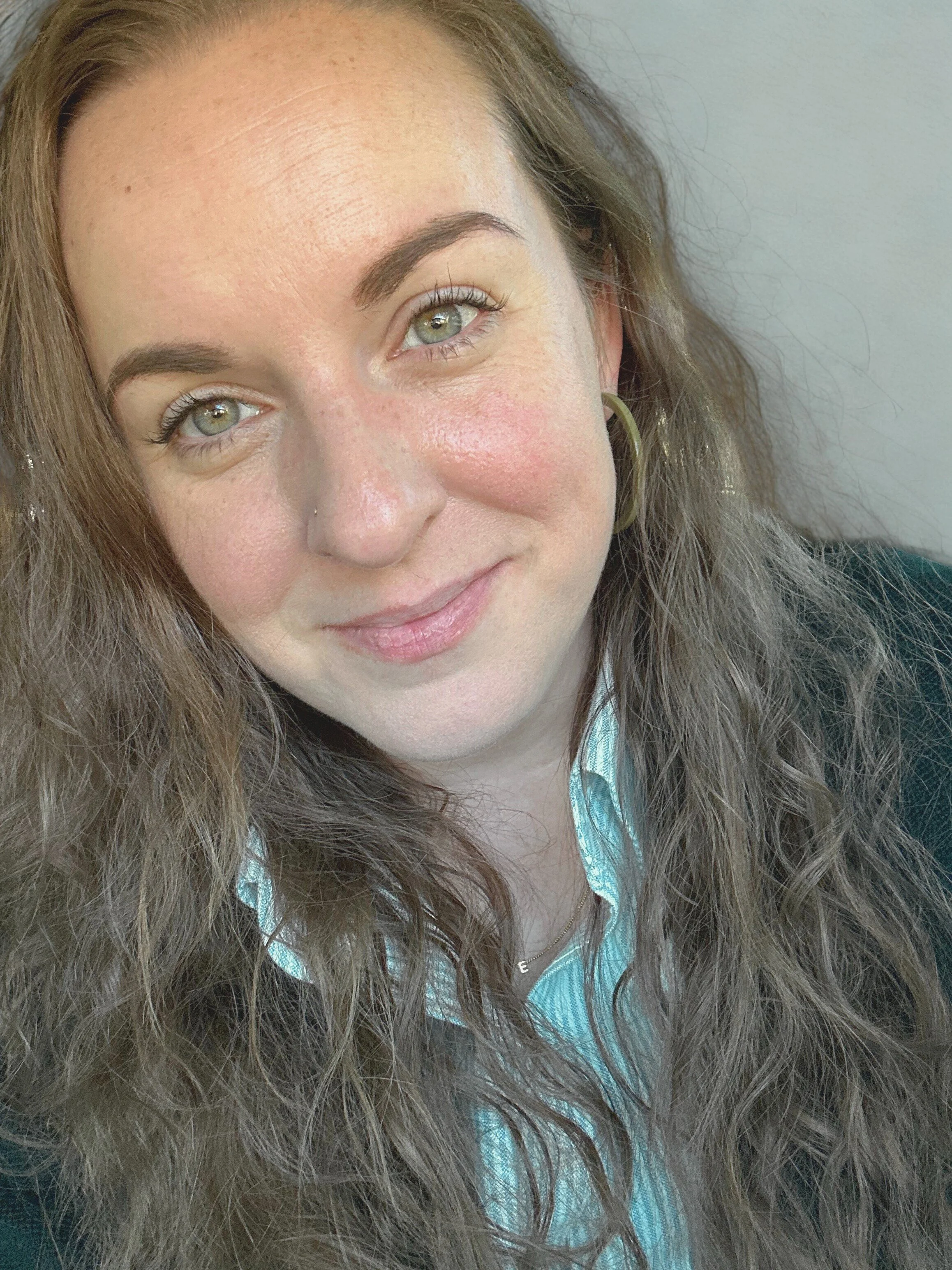
tl;dr
I help founders, authors and public-facing leaders understand what is actually happening inside their publishing work — and make better decisions about what to do next.
I am particularly useful when the problem crosses categories: when an editorial question is also an audience, technology or business question; when the numbers are confusing, the advice is generic and the consequences of the next decision are difficult to see.
I bring an editor’s attention to voice and meaning, an analyst’s attention to evidence and an operator’s awareness of what a decision will require in the real world.
I write the bestselling Substack publication The Publishing Spectrum and work directly with a small number of clients through focused Thought Partnerships and ongoing editorial advisory.
Why people bring me into the conversation
People do not usually come to me because they need more ideas.
They come because they have too many possible explanations, competing priorities or pieces of advice — and need help determining what is actually relevant.
A publication may have stopped growing. A founder may be preparing a new offer. A team may have data no one knows how to interpret. A writer may be considering a platform change, publication redesign or new editorial direction whose consequences extend well beyond the immediate decision.
My role is to establish a more accurate picture of what is happening, identify the real point of friction and help you make a decision that supports both the work and the business around it.
Sometimes that means recognizing that a conversion problem is really an editorial-sequencing problem. Sometimes an apparent audience problem is actually an offer problem. Sometimes the most valuable insight is that the publication does not need to be reinvented at all.
Editorial judgment, audience intelligence and operational rigor
I have spent nearly 20 years inside journalism, editorial operations, content systems, audience development and founder-led businesses.
At one point, I managed 94 blogs simultaneously while building systems that could scale without collapsing quality. That experience taught me to look beyond the immediate deliverable. A publishing decision also affects workload, technology, revenue, audience expectations and the people responsible for maintaining the system after the initial enthusiasm wears off.
Since 2022, I have written The Publishing Spectrum, where I have built a featured publication and bestseller by making newsletter data analysis genuinely useful — and, occasionally, even interesting. If you’re a writer interested in growing your publishing skills, sign up to read more here.
My reader research and analysis of patterns across hundreds of thousands of subscribers have made me a trusted interpreter of Substack audience behavior. I help publishers understand what is happening inside their publication, why it may have happened, what the numbers can and cannot tell us and how the evidence should influence the editorial or business next decision.
In one engagement, I designed the editorial timing and reader-nurturing strategy around an anniversary offer that generated 1,700 upgrades in 30 days. The offer mattered, but so did understanding the audience, sequencing the invitation and recognizing what the publication could ask of its readers without damaging trust.
That is the work beneath the data: seeing how the parts affect one another.
Publishing decisions do not stay in their lane
In the new media age, I’m here to help publishers navigate the complexity inside being a digital publisher. Because publishing decisions rarely stay inside a neat, tidy lane.
A new editorial direction can change the audience.
A platform decision can reshape the offer.
A pricing change can alter the reader relationship.
A project that appears to need better marketing may actually need clearer positioning, more intentional sequencing or a different publishing rhythm.
I am most useful when the question cannot be solved entirely by an editor, analyst, marketer or business strategist because it contains elements of all four.
I help distinguish meaningful patterns from distracting fluctuations, anticipate the consequences surrounding a decision and leave clients with a clearer direction—not a larger pile of recommendations.
What it is like to work with me
You do not need to arrive with a polished brief or a perfect diagnosis of the problem.
I listen for what sits underneath the presenting question. I examine the work, context and available evidence. Then we identify what actually deserves your attention and what can be set aside.
My contemplative practice and late-in-life autism diagnosis have both shaped the way I recognize patterns, hold complexity and build systems. Rebuilding my career as a single mother has also made me more rigorous about sustainability: not just whether an idea sounds good, but whether the person or organization responsible for that work can realistically carry it forward.
I do not rush toward a formula simply to create the feeling of certainty. The goal is to understand the whole system well enough to make a grounded decision.
Working together: hot potato or wood-burning stove
I usually work with clients in one of two rhythms.
Hot potato
There is a particular project, decision or knot taking up space in your mind, and you need an experienced person to help you hold it, turn it over and determine what to do with it.
My three-call Thought Partnerships provide enough continuity to understand the context, follow what changes and help you move from uncertainty toward a clear next step.
Wood-burning stove
The work is ongoing, the decisions affect one another and it is useful to have someone tending the larger system over time.
In a fractional editorial advisory relationship, I learn the ecosystem around your work, track patterns across weeks or months and help you make stronger editorial, audience and business decisions as the work evolves.
I am not a content vendor or an always-on marketing department. I am most useful when the question is consequential and interconnected:
What is this work trying to become?
What is the audience actually responding to?
Which evidence matters?
What will this decision change elsewhere in the system?
What is the clearest next move?