
Your Custom Text Here
Thought Partnerships
Publishing gets complicated when the work is personal.
You may have years of ideas, expertise, stories and lived experience behind you — and still find yourself unsure what belongs in a publication, who you're writing for or how to make the work on the page feel as alive as the thinking behind it.
Thought Partnerships are one-to-one conversations for storytellers, creatives, teachers, founders and academics who want an experienced editorial mind beside them as they figure out what their work is becoming.
Part listening. Part editorial judgment. Part treasure hunting.
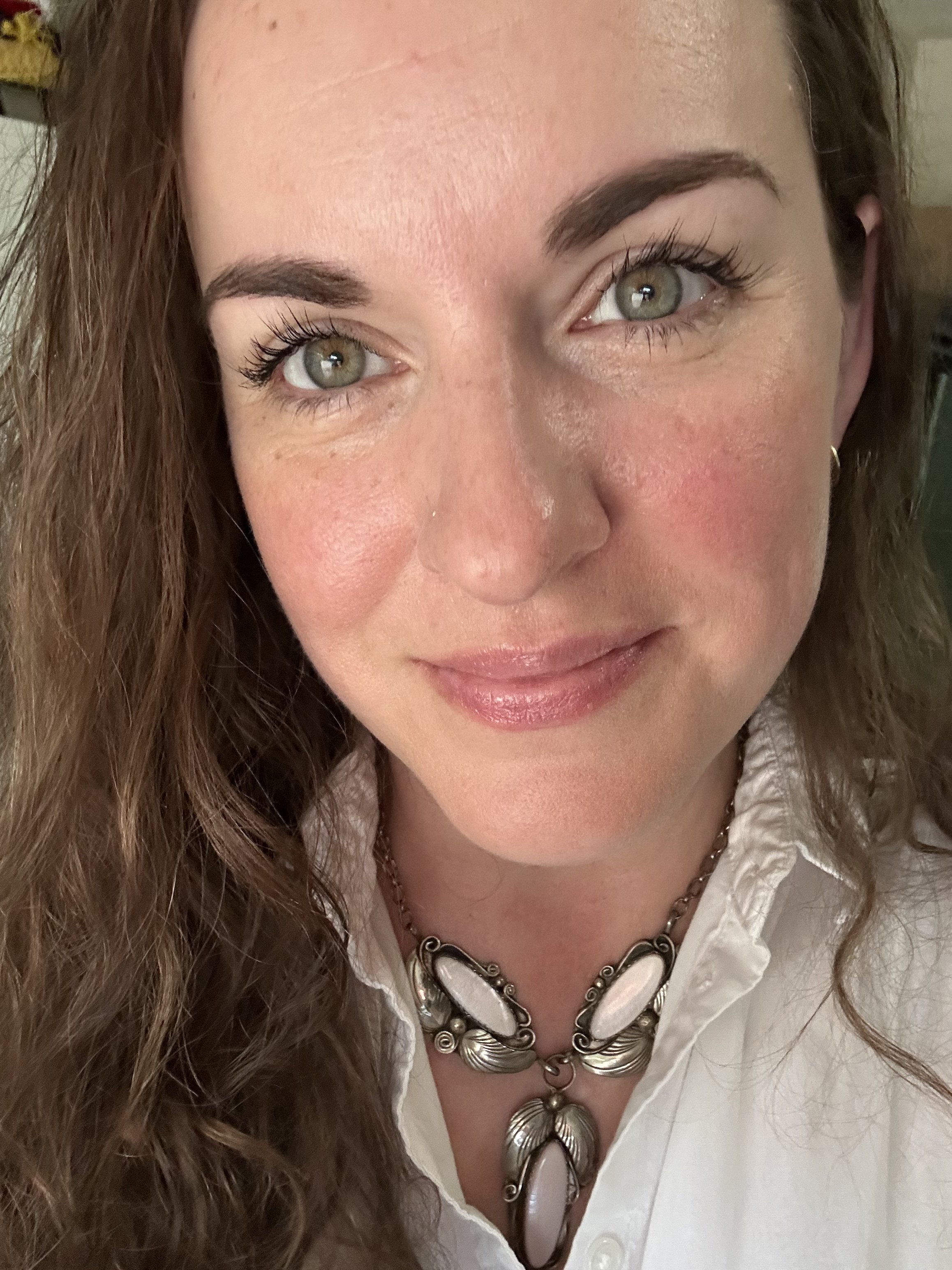
Hi, I’m Amanda Bray. I’ve spent years studying publications, business systems, audiences and the people behind them — and learning to recognize what makes a body of work come alive.
I don't come into these conversations with a formula for what your work should become.
I listen for what is already there.
I watch for the story you dismiss as irrelevant and the idea you keep circling. I notice the way your voice changes when you talk about the work you actually love — and we talk about why that is. I help identify the connection between parts of your experience you've always kept in separate boxes.
Then I bring my own perspective to it.
I may challenge an assumption, offer an editorial frame, notice an audience hiding inside the work you're already doing or suggest an experiment that gives you a different way forward.
Sometimes we're solving a publishing problem.
Sometimes we're discovering that the publishing problem is actually a creative process problem, an audience problem or a problem of access to your own material.
Either way, the goal is movement.
I think of Thought Partnership as part listening and part treasure hunting.
First, I listen closely enough to understand the work, the context and the actual point of friction. Then I reach for the observation, evidence, question or tool that can help us see the next move more clearly.
A Thought Partnership may be useful when…
You have plenty of material, but you can't quite see the through-line yet.
Your writing feels flatter, narrower or more generic than you do when you're teaching, speaking or thinking aloud.
You keep getting stuck between what you should publish and what actually feels alive enough to make.
You want to understand your audience without allowing metrics to dictate the work.
You can sense that your business, body of work or creative identity is changing —and need somewhere to think through what comes next.
Or you simply need a perceptive second mind in the room while you work through a question that doesn't have one tidy answer.
Terrain we might cover together
Story & Editorial
Finding the through-lines, stories, ideas and bodies of work that are actually yours to develop.
Audience & positioning
Understanding who the work is for, what helps readers trust you and how your publication or business creates a relationship with them.
Creative Process
Working through blocks, voice problems, idea overload or the gap between how naturally you think and how difficult it feels to get that thinking onto the page.
Publishing Systems & Tools
Building rhythms, editorial structures and thoughtful uses of technology or AI that support your creative process rather than overwhelm it.
Offers & What's Next
Thinking through paid publishing, products, teaching, services or other possibilities that may grow naturally from the body of work you're building.
What can change in 3 sessions
You stop trying to develop a voice and start relocating the one you already have.
The part of your life you'd stopped mentioning turns out to be the center of the work.
You leave with named pieces you can actually sit down and write.
A decision you've circled for a year gets made, with a reason attached.
Your dashboard stops being a scoreboard and starts being information.
You get a sentence for your own work that doesn't embarrass you.
Not a why — a who. You see your audience clearly and stop writing into the void.
You leave doing one less thing you were only doing out of obligation.





How I work
-
Three 60-minute conversations, usually booked two to three weeks apart.
I like working in three-call chapters because good ideas need a little room between conversations. You try something. A phrase keeps working on you. Something doesn't fit. A new question appears.
Then we come back to the room with new material.
-
Each conversation begins with what is most alive or most stuck.
I usually arrive with observations, questions and possible directions, but the plan is flexible enough to follow what becomes more important once we start talking.
You leave with something to carry forward: a clearer editorial direction, stories to develop, an audience frame, a creative experiment, a decision, an outline, a process to test — or simply access to possibilities you couldn't see when we began.
-
Three calls can be a complete engagement.
They can also be one chapter of a longer Thought Partnership.
If we're still uncovering useful ground at the end of the three conversations, you can book another three and we keep going.
Pricing: 3 60-minute conversations is $1,250 (payment plans available through Klarna)
Have we met yet? If not, let’s start with a free Editorial + Audience Review.